-
Ana真鍮の蜜蜂の巣の出口は非常にニースに見る -
SatheeshMRI/RFのドアはハンドルによって照っている、私の友人ありがとう。
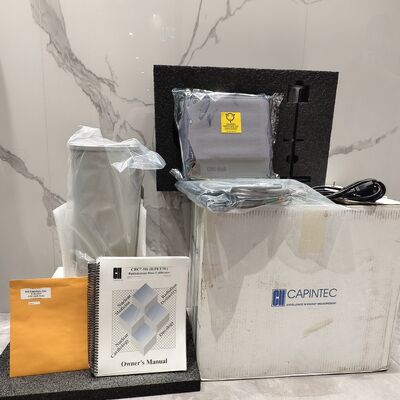
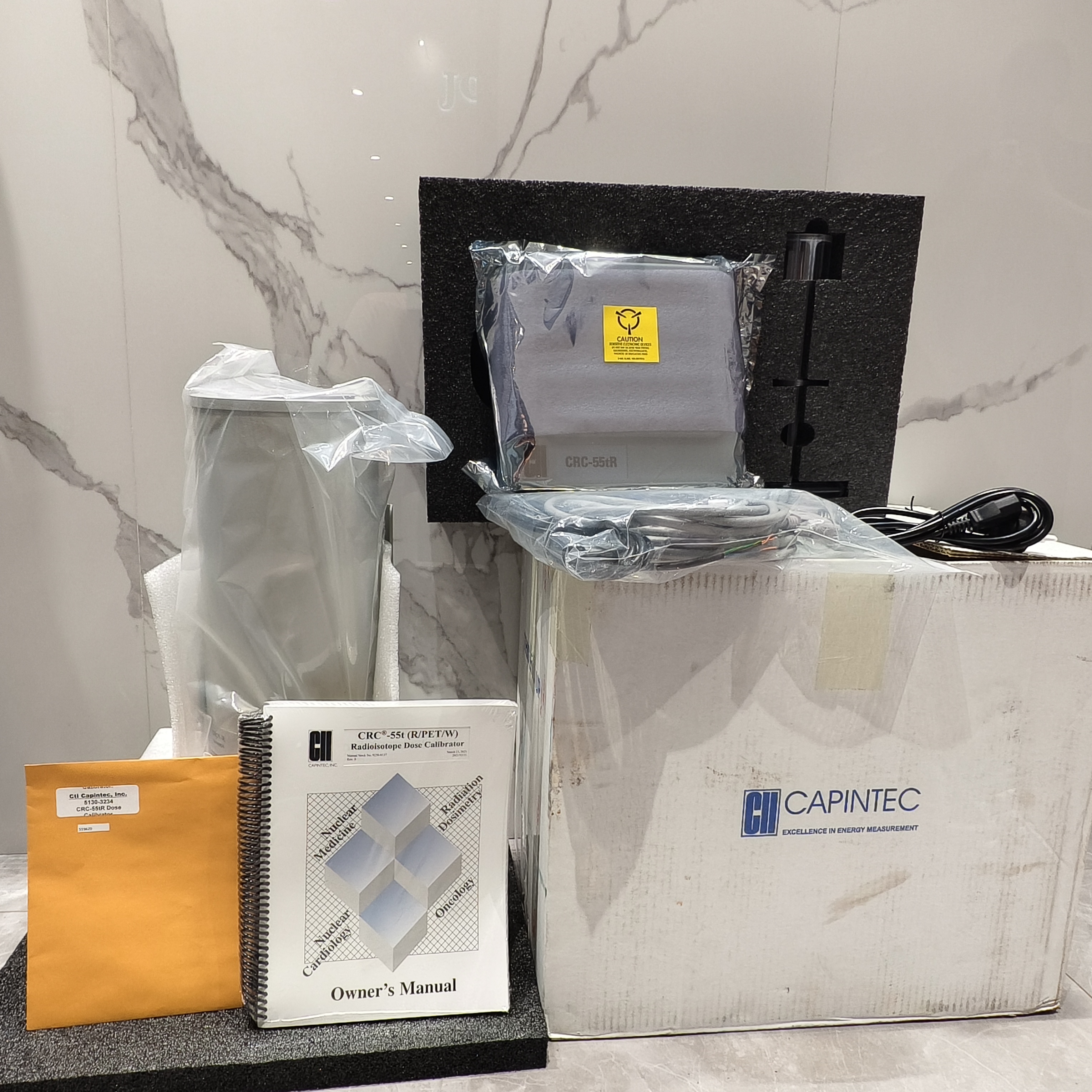
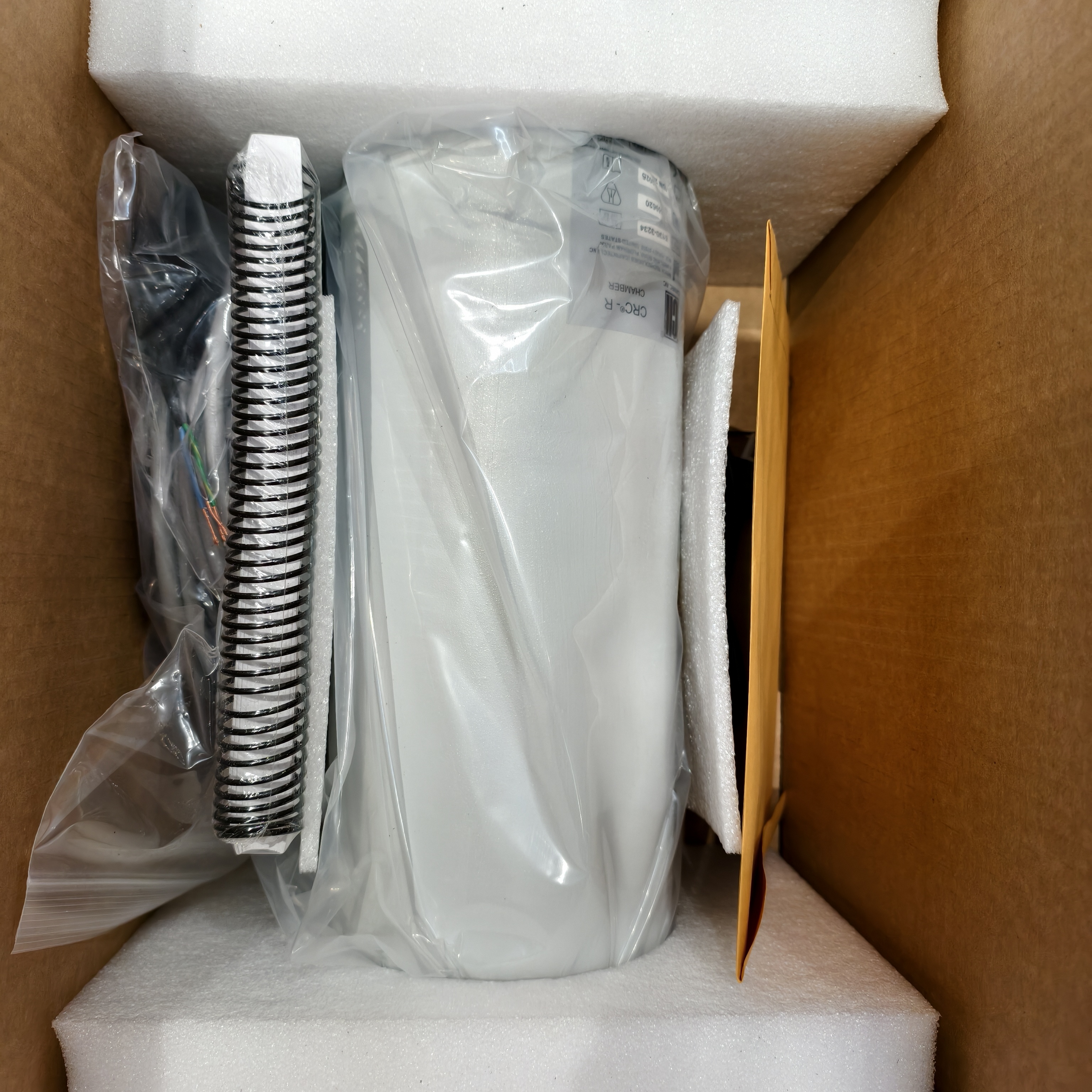
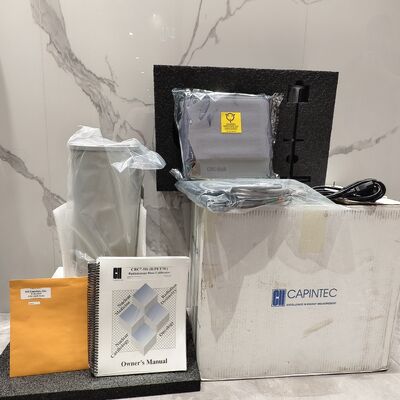
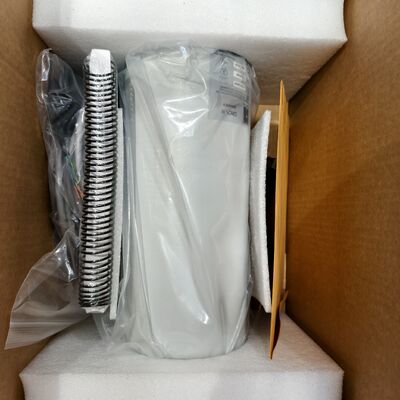
Dose Calibrator for Nuclear Medicine Hot Cell Radioiodine Handling
| 射線タイプ | α線、β線、γ線、X線 | イメージングエネルギー範囲 | 50keV~1500keV |
|---|---|---|---|
| 検出窓エリア | 75平方センチメートル | 測定範囲 | 0.01 μSv/h ~ 10 Sv/h |
| 保管温度 | -20°C - 50°C | 検知範囲 | 0.01~1000MSv/h |
Product Introduction
The Dose Calibrator for Radioiodine Handling is specifically engineered for the unique challenges of measuring I-131 and I-123 in hot cell environments. Radioiodine is chemically aggressive: iodine vapor can corrode standard electronics and detector components, leading to premature instrument failure. The volatile nature of iodine also creates contamination risks that require special consideration in instrument design. This calibrator features a sealed ionization chamber with iodine-resistant materials (Hastelloy C-22 alloy and PTFE seals), isolated electronics, and a filtered venting system that prevents iodine vapor ingress. The instrument is designed for installation in dedicated radioiodine hot cells, where it can withstand years of exposure to high-activity I-131 without degradation.
Application Range
The Radioiodine Dose Calibrator is designed for nuclear medicine departments that perform thyroid therapy (I-131 capsules or solution), thyroid imaging (I-123 or I-131), or radioiodine-based research. Primary applications include measuring I-131 capsule activity before administration (typical dose 30–150 mCi for thyroid cancer therapy, 5–15 mCi for hyperthyroidism), quantifying I-131 solution for oral administration, verifying I-123 capsule activity for diagnostic thyroid uptake studies, and measuring residual activity in empty vials or patient collection containers for waste characterization. The instrument also supports quality control of radioiodine products, including measurement of radiochemical purity and radionuclidic identity.
Performance and Benefits
The Radioiodine Dose Calibrator achieves measurement accuracy of ±5% for I-131 and I-123 across activities from 1 μCi to 10 Ci. The ionization chamber uses a specialized electrode design that maintains consistent sensitivity for the complex gamma spectrum of I-131 (multiple photon energies from 80 keV to 723 keV) and the single 159 keV photon of I-123. The chamber is constructed of Hastelloy C-22, an alloy specifically chosen for its resistance to iodine corrosion. All seals are PTFE (polytetrafluoroethylene), and the chamber is helium-leak-tested to ensure no iodine vapor can enter. For additional protection, the chamber includes a filtered vent that maintains atmospheric pressure while trapping iodine vapor. The electronics are isolated from the chamber in a sealed compartment, with no direct air path between the measurement cavity and sensitive components. This design extends instrument lifespan in radioiodine environments from the typical 2–3 years (for standard calibrators) to 10+ years. The instrument includes iodine-specific calibration factors for multiple geometries: capsules (standard sizes 000, 00, 0, 1), oral solutions in vials, and syringes. The capsule measurement feature is particularly important: the calibrator includes a capsule holder that positions the capsule consistently at the chamber's center of sensitivity, eliminating positioning variability that can cause measurement errors. For I-131 solution measurements, the instrument includes a spill-resistant vial holder that contains any accidental leakage. The remote display unit, positioned outside the hot cell, shows activity in mCi or MBq with isotope-specific settings. The instrument includes automated decay correction for I-131 (half-life 8.02 days) and I-123 (13.2 hours), allowing the user to enter the administration time and receive a reading of activity at that time. This feature is particularly valuable for I-131 therapy doses, which are often prepared hours or days before administration. The data logging system stores up to 500 measurements with complete metadata, and the printer output produces records for patient charts. For nuclear medicine departments, the primary benefit of the radioiodine-specific design is extended instrument lifespan. Standard dose calibrators exposed to high-activity I-131 typically develop measurement drift, increased noise, or complete failure within 2–3 years due to iodine corrosion. This instrument lasts three to five times longer, reducing lifecycle costs and preventing unexpected downtime. The sealed design also reduces contamination risk: if a spill occurs inside the hot cell, the calibrator can be decontaminated by wiping without fear of liquid ingress. For departments that handle significant quantities of radioiodine, this dedicated instrument is a worthwhile investment that pays for itself through longer service life and reduced maintenance.